
Professional Microwave Cleaning – Restore Hygiene and Performance
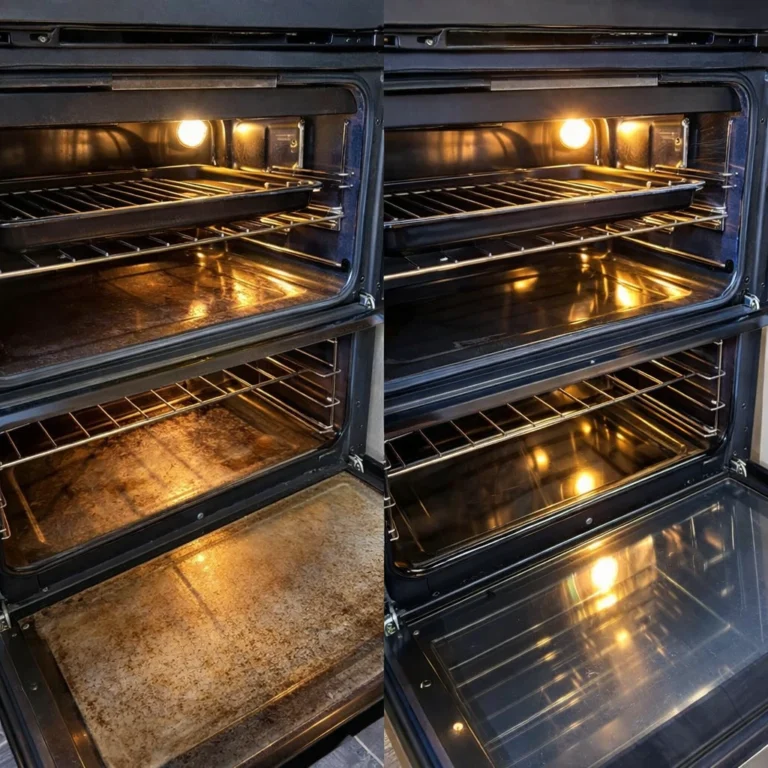
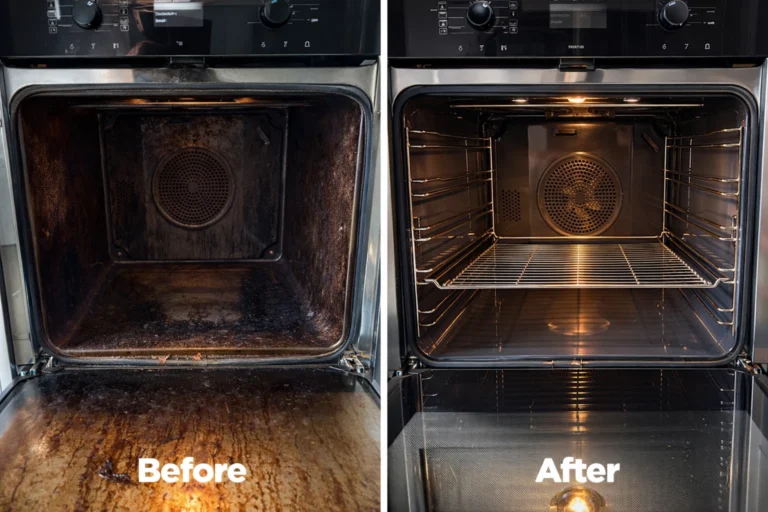
Our professional microwave cleaning removes grease, food residue, and odor‑causing buildup to restore hygiene, heating consistency, and safety. Using non‑toxic degreasers and steam-based methods, we clean thoroughly without damaging enamel surfaces or critical components like the magnetron.
What Is Microwave Cleaning and Why It Matters
Microwave cleaning refers to a structured and comprehensive maintenance routine that targets both visible dirt and invisible microbial buildup. The structured cleaning process involves:
- Removing residual food particles from walls and corners
- Degreasing internal surfaces such as the ceiling and turntable area
- Disinfecting components that regularly come into contact with steam and vapor
- Eliminating odors caused by trapped volatile food molecules
When these tasks are ignored, the result is more than cosmetic: poor heating performance, potential bacterial growth, unpleasant smells, and electrical hazards like arcing (sparking) may follow. Over time, carbonized residue acts as a conductor, increasing the risk of damaging the magnetron or power circuitry.
Common Microwave Cleaning Mistakes That Damage Your Appliance
Not all cleaning approaches are microwave-safe. In fact, some widely practiced DIY hacks can compromise your unit:
- Abrasive scouring pads leave permanent scratches on enamel or stainless-steel surfaces
- Bleach-based cleaners react with residual food particles, creating harmful vapors
- Incomplete drying of parts like the turntable support ring or door seal fosters rust or mold
- Heavy-duty degreasers corrode delicate components like the waveguide cover or air vents
Worst of all, most users overlook critical areas—like the ventilation system or door mesh, where airborne particles build up and degrade internal airflow and electromagnetic efficiency.
Professionally cleaned microwaves retain structural integrity, operate more safely, and avoid premature wear and tear caused by inappropriate methods.
Key Signs Your Microwave Needs Deep Cleaning
A microwave in need of attention often exhibits the following symptoms:
- Persistent odors despite being “empty” and unused
- Yellowish interior or visible burnt food stains
- Popping, sizzling, or sparking sounds while running
- Uneven cooking, requiring more time to heat meals
- Condensation buildup or foggy light lenses
- Sticky buttons or a greasy door handle
These signs suggest that both the functional performance and electrical safety of your appliance are at risk. Deep cleaning is not optional—it’s preventive maintenance that protects your investment.
Book Your Microwave Cleaning Service
If your microwave smells, looks greasy, or struggles to heat food efficiently, it’s time for a professional deep clean. Our expert technicians are available 24/7:
Our Expert Microwave Cleaning Process
We use a systematic and material-sensitive process, adapted for each microwave model and build type.
Pre-Cleaning Safety Check
We start by unplugging the appliance and checking all safety-related features, including the door latch, child lock, and cord insulation. We also inspect for exposed circuitry or burn marks, which could signal internal issues.
Removing Turntable and Accessories
All detachable parts—including the glass plate, support ring, and any metal grill racks—are soaked in a warm enzyme-rich solution that dissolves embedded grime without scrubbing.
Grease and Food Splatter Treatment
Using a pH-balanced degreasing agent, we apply treatment to the interior ceiling, walls, and base. Particular attention is paid to hard-to-reach corners and the top wall, which collects the most splatter.
Door Seal and Vent Cleaning
The rubber door gasket, door mesh, and vents are cleaned using antimicrobial sprays and soft detailing brushes. This step not only removes residue but improves airflow and seal integrity, enhancing energy efficiency.
Deodorizing and Final Inspection
We finish with natural deodorizers—either lemon-steam or activated charcoal solutions—to eliminate lingering smells. A water cup heating test follows, confirming steam flow, heat distribution, and cooking consistency.
What Parts of a Microwave Require Regular Cleaning
Microwaves are intricate devices, and multiple internal and external components collect grease, odors, and food particles. These include:
- Cavity walls and ceiling
- Waveguide cover (delicate mica panel protecting the magnetron)
- Turntable and support ring
- Fan vent and internal air filters
- Door seals, hinges, and locking mechanisms
- Light cover and lamp housing
- Exterior control panel and handle
Each component has its own material composition, requiring different cleaning intensities and agents. For instance, the mica waveguide should never be exposed to moisture or abrasives, while the stainless steel outer case can be gently polished for presentation.
Best Cleaning Methods for Different Microwave Types
Different microwave technologies demand unique care:
- Solo Microwave: Focuses on cleaning cavity and turntable only. Steam-cleaning using lemon or vinegar works well.
- Grill Microwave: Includes upper heating elements that attract grease. Requires heat-tolerant degreasers and rack treatment.
- Convection Microwave: Has fans and coils for baking, meaning fan blades, grill covers, and racks need meticulous brushing and rinsing.
Using the wrong cleaning product—like an oven cleaner on a convection fan—can destroy the fan blades or leave chemical residues that emit vapors during heating.
Eco-Friendly and Non-Toxic Microwave Cleaning Products
We strictly use green-certified, non-toxic, and biodegradable cleaners to ensure both environmental safety and food hygiene compliance:
- Steam-based cleaning using lemon or vinegar
- Plant-derived enzyme cleaners for fats and proteins
- Baking soda paste for stubborn grime
- Essential oil sprays (e.g., eucalyptus, citrus) for odor control and sanitation
These products are safe for children, pets, and sensitive individuals, and they leave no residue or volatile organic compounds (VOCs) inside your microwave cavity.
Book Your Microwave Cleaning Service
If your microwave smells, looks greasy, or struggles to heat food efficiently, it’s time for a professional deep clean. Our expert technicians are available 24/7:
Benefits of Regular Professional Microwave Cleaning
The advantages go beyond appearances:
- Restores even heat distribution
- Eliminates burnt smells and bacteria
- Prevents fire risks due to carbon or grease
- Improves appliance longevity
- Increases energy efficiency
- Boosts kitchen hygiene ratings (for commercial use)
Regular cleaning also helps you retain appliance warranty and avoid costly repairs related to sensor faults, door issues, or internal corrosion.
FAQs About Microwave Cleaning
Is vinegar safe for microwave cleaning?
Yes, vinegar mixed with water creates steam that loosens grime and neutralizes bad smells naturally.
Can I use a dishwasher to clean the turntable?
Absolutely. The glass tray and support ring are dishwasher-safe unless otherwise indicated.
How long does professional microwave cleaning take?
Between 45 to 90 minutes, depending on model complexity and level of grime.
Will cleaning my microwave affect the warranty?
Not with us. We only use manufacturer-approved techniques that preserve your unit’s condition and warranty status.
Can food taste change due to a dirty microwave?
Yes, leftover grease can vaporize and coat fresh food with unpleasant flavors.
Book Your Microwave Cleaning Service Today
If your microwave smells, looks greasy, or struggles to heat food efficiently, it’s time for a professional deep clean. Our expert technicians are available 24/7: